Balanced Meal Plan eBook: 1-Week or 1-Month Recipes
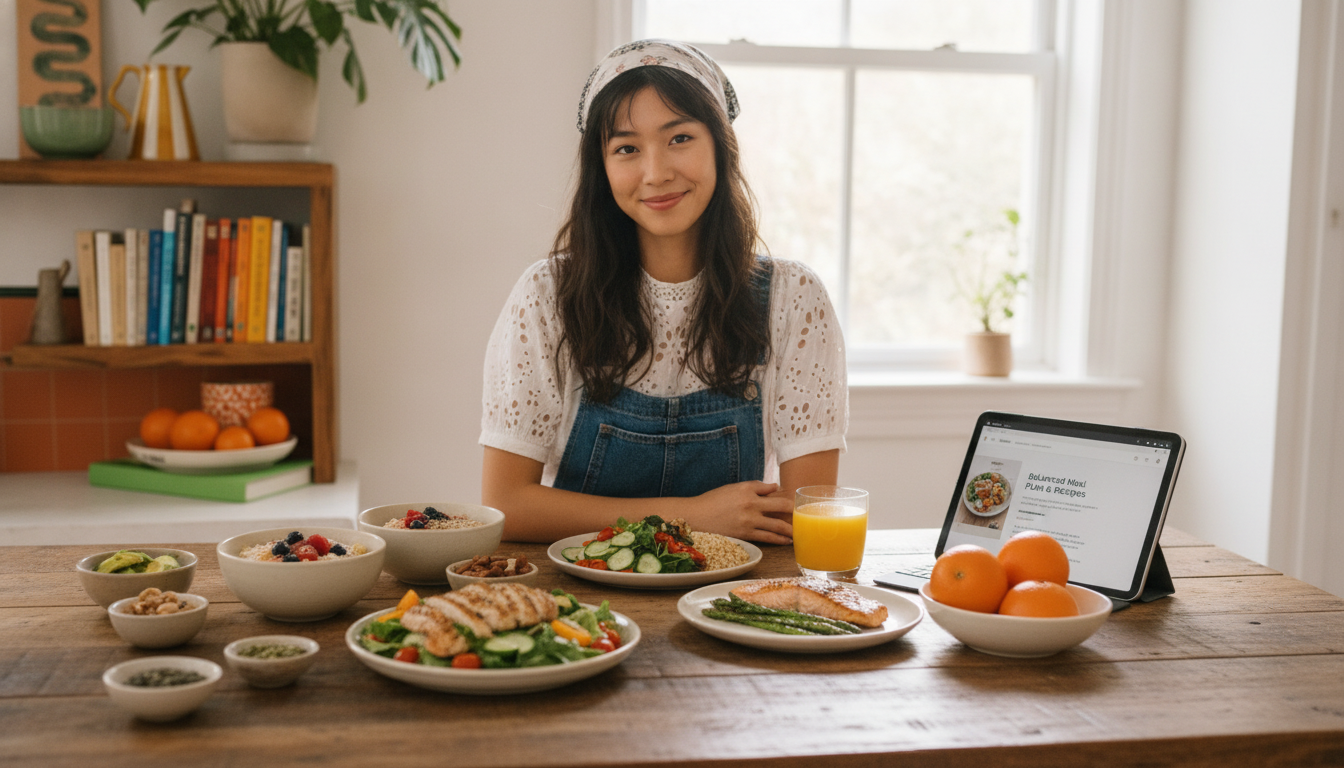
Healthy Meal Plan & Recipe Collection: One-Week or One-Month Balanced Eating Made Simple
A structured meal plan removes the daily guesswork: what to cook, how to balance macros, and how to keep snacks and meals satisfying. This healthy meal plan & recipe collection is designed for practical, repeatable routines—breakfast, lunch, dinner, and snacks—organized into a one-week or one-month format with balanced nutrition as the foundation.
Who This Meal Plan Fits Best
- Busy schedules that need quick, repeatable meals without sacrificing variety
- Beginners who want a clear structure for balanced breakfasts, lunches, dinners, and snacks
- Anyone aiming for consistent portions and steady energy throughout the day
- Households that benefit from a plan that can scale up or down (solo, couples, families)
If meals tend to default to whatever is fastest, a simple plan can turn “grab-and-go” into “grab-and-feel-good.” The goal isn’t perfect eating—it’s reducing friction so balanced choices happen more often than not.
What “Balanced” Looks Like Across a Day
- Protein at each meal to support satiety and muscle maintenance (e.g., eggs, yogurt, poultry, tofu, beans, fish)
- Fiber-rich carbs for steady energy (e.g., oats, brown rice, quinoa, whole-grain bread, fruit, legumes)
- Colorful produce for micronutrients and volume (aim for at least 2–3 colors per main meal)
- Healthy fats in sensible portions (e.g., olive oil, avocado, nuts, seeds)
- Hydration and sodium awareness, especially when increasing fiber intake
| Meal component | Easy options | Simple portion cue |
|---|---|---|
| Protein | Eggs, Greek yogurt, chicken, tuna, tofu, lentils | Palm-sized (or 20–35g protein) |
| Fiber-rich carbs | Oats, quinoa, sweet potato, beans, fruit | Fist-sized portion |
| Vegetables | Salad mix, frozen veg, peppers, broccoli, tomatoes | 2 fists (more if desired) |
| Healthy fats | Olive oil, nuts, seeds, avocado | Thumb-sized or 1–2 tbsp |
| Flavor & extras | Herbs, spices, citrus, salsa, vinegar | To taste (mind added sugar/salt) |
For a credible, easy-to-visualize model, the USDA’s MyPlate Plan and Harvard’s Healthy Eating Plate both emphasize a similar idea: build meals around produce, include quality protein, and choose satisfying carbs and fats in reasonable amounts.
One-Week vs One-Month: How to Pick Your Timeline
- One-week plans work well for a reset, a busy period, or testing meals before committing
- One-month plans support routine-building with built-in repetition and flexible swaps
- A hybrid approach: repeat a strong one-week template for 3–4 weeks, rotating proteins and produce for variety
- If motivation is low, start with a 7-day plan and expand once prep habits feel easier
A helpful rule: choose one-week when your schedule is unpredictable and you need a tight “good enough” structure; choose one-month when you want fewer grocery decisions and a calmer rhythm. Either way, consistent building blocks beat complicated recipes that only happen once.
Sample Day Template: Breakfast, Lunch, Dinner, and Snacks
- Breakfast: protein + fiber (e.g., Greek yogurt parfait with berries and chia; or veggie omelet with whole-grain toast)
- Lunch: lean protein + hearty veg + complex carb (e.g., chicken quinoa bowl with roasted vegetables)
- Dinner: balanced plate with a focus on vegetables (e.g., salmon, sweet potato, green salad)
- Snack 1: protein-forward (e.g., cottage cheese with fruit; or hummus with veggies)
- Snack 2 (optional): fiber + healthy fat (e.g., apple with peanut butter; or nuts with a piece of fruit)
To keep choices simple, pick 2 breakfasts, 2 lunches, and 3 dinners you actually enjoy—then repeat them. Variety can come from swapping sauces, seasonal produce, and rotating proteins, not reinventing the wheel every day.
Smart Prep Strategy for Faster Weekdays
- Batch-cook 1–2 proteins (chicken, tofu, beans) and 1–2 carbs (rice, quinoa, roasted potatoes)
- Wash/chop produce once to reduce friction (store in clear containers for visibility)
- Choose 2 sauces or dressings that work across bowls, salads, and wraps
- Keep “emergency” options on hand: frozen vegetables, canned tuna/beans, microwave grains
- Use a rotating grocery list: staples + a short list of weekly fresh items
Think in components: a cooked protein + a cooked carb + a big veg base. On hectic nights, that becomes a bowl, salad, or wrap in under 10 minutes. When fiber goes up, hydration matters too—CDC guidance on healthy lifestyle patterns is a practical starting point for building supportive routines beyond food alone: CDC — Healthy Weight.
Simple Swaps for Dietary Preferences
What’s Included in the Healthy Meal Plan & Recipe Collection eBook
If you want a ready-to-use structure, explore the Healthy Meal Plan & Recipe Collection (eBook). For a broader lifestyle foundation that pairs well with meal planning—movement, mindset, and self-care included—see Whole You: Holistic Wellness Guide (eBook).
How to Stick With It When Life Gets Busy
FAQ
Is a one-week meal plan enough to see results?
A week is often enough to notice improved consistency, steadier energy, and fewer last-minute food decisions. Longer timelines tend to produce more lasting changes because habits have time to settle in, and results still depend on overall intake, sleep, activity, and consistency.
Can the meals be adjusted for calorie needs or fitness goals?
Yes—adjust portions of protein, carbs, and fats, and add or remove snacks while keeping the same balanced template. If you have medical conditions or specific performance goals, a registered dietitian can help personalize targets safely.
What if there’s no time to cook every day?
Use batch cooking, no-cook meals (like yogurt bowls or tuna salads), freezer staples, and planned leftovers to cover busy days. A small rotation of repeatable meals usually works better than trying to cook something new nightly.










Leave a comment