Eco-Friendly Traveler: Meaning, Habits & Packing Tips
What is an eco-friendly traveler?
An eco-friendly traveler is someone who plans and takes trips in a way that reduces harm to the environment and supports the places they visit. That can mean cutting down on trash, using resources like water and energy more thoughtfully, choosing lower-impact transportation when possible, and spending money with businesses that treat people and ecosystems responsibly.
How does an eco-friendly traveler behave on a trip?
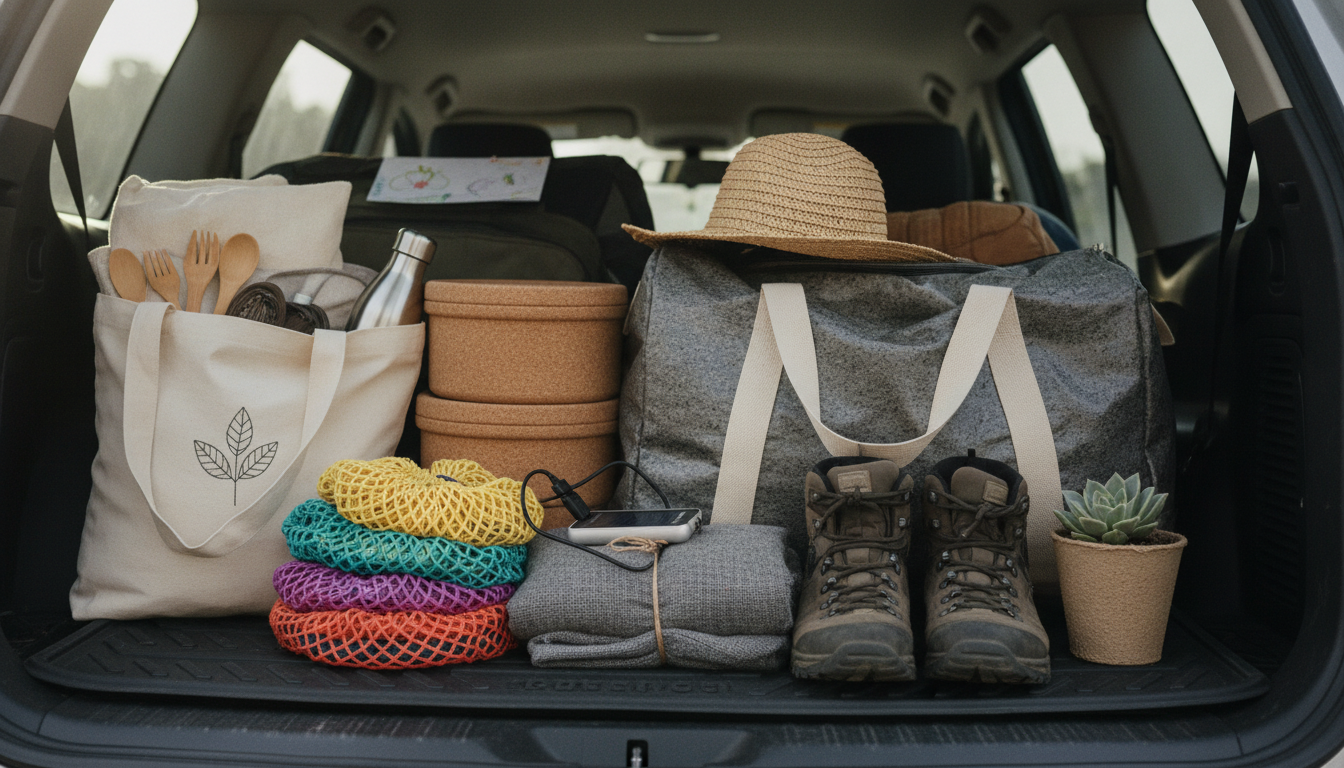
Eco-friendly travel isn’t about being perfect; it’s about making better default choices. Many travelers start by focusing on waste: carrying a reusable water bottle, refusing single-use plastics, packing a tote for shopping, and bringing a small kit for meals on the go (like reusable utensils or a container). Others look at their transportation habits, such as walking, biking, or using public transit instead of frequent rideshares, or grouping activities to reduce unnecessary driving.
Where you stay and what you do also matters. An eco-friendly traveler may choose lodging that reuses linens on request, manages energy efficiently, or supports local conservation. They’re also more likely to follow “leave no trace” basics outdoors, stay on marked paths, and avoid activities that exploit wildlife.
What does eco-friendly travel look like when packing?
Packing is one of the easiest places to see eco-friendly habits in action because it sets you up for the whole trip. A thoughtful, carry-on-ready bag can reduce overpacking, prevent last-minute purchases, and help you avoid disposable items. Refillable toiletry bottles, solid toiletries, and multipurpose clothing can lighten your load and your footprint.
For a practical, travel-friendly checklist focused on reducing waste, visit this zero-waste travel packing guide.
Why being an eco-friendly traveler matters
Tourism can put pressure on water supplies, create excess landfill waste, and contribute to emissions—especially in popular destinations. Small choices add up: fewer single-use items, less wasted food, and more mindful purchases can reduce the strain on local infrastructure and help keep destinations enjoyable for residents and future visitors.
FAQ
What are some easy eco-friendly travel swaps?
Start with reusables you’ll actually use: a water bottle, tote bag, and a small utensil set. Switch to refillable toiletry containers or solid bars, and choose travel sizes only when they prevent waste rather than create more of it.










Leave a comment